In the modern landscape of beauty, we are often told that the latest lab-synthesized chemical or the newest “lightweight” vegetable oil is the key to a glowing complexion. But at Anolah Sun, we look backward to move forward. If you’ve found yourself asking, “is tallow good for skin?”, you are likely beginning to sense the disconnect between modern industrial products and our biological roots. The truth is, your skin isn’t looking for a chemical solution; it’s looking for a familiar one.
The Problem: Why Seed Oils are Bad for Skin
For decades, the skincare industry has swapped nutrient-dense animal fats for cheap, industrially processed seed oils—like rapeseed, sunflower, and soybean oil. While marketing campaigns label these as “natural,” the biological reality is far more concerning. These oils are high in Polyunsaturated Fatty Acids (PUFAs), which are highly unstable.
When applied to the skin and exposed to sunlight or oxygen, these oils oxidize. This oxidation creates free radicals that lead to chronic inflammation, a damaged skin barrier, and premature aging. In the debate of ancestral skincare vs modern skincare, the modern approach often prioritizes shelf-life and profit margins over cellular integrity. Seed oils are simply not bio-identical to our skin’s natural oils, often sitting on the surface and causing more harm than healing.
The Ancestral Solution: Grass-Fed Tallow
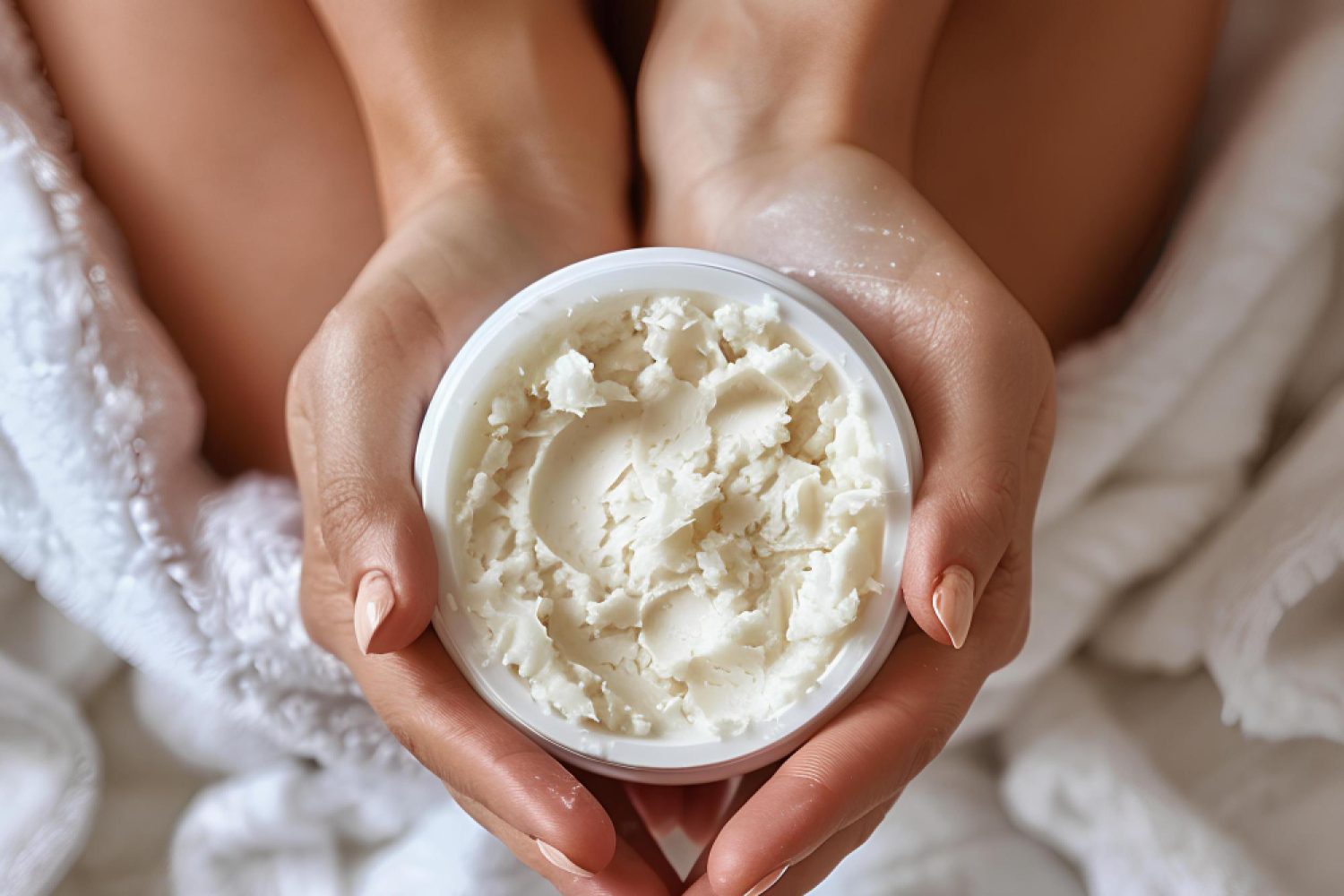
At Anolah Sun, we use 100% grass-fed tallow sourced from small family farms. Why? Because tallow is the ultimate “skin food.” It is bio-identical to the sebum our own skin produces. Our sebum is made up of approximately 40% of the same fats found in tallow, making it a “metabolic match” that your skin recognizes and absorbs instantly.
Our tallow skincare UK guide to health highlights these primary benefits:
- Bio-Available Vitamins: Tallow is a powerhouse of fat-soluble vitamins—A, D, E, and K—in their most absorbable forms. These are essential for skin regeneration and immune function.
- Stable Lipids: Unlike unstable seed oils, tallow does not oxidize easily, providing a stable, protective barrier that honors your skin’s biology even under the sun.
- Anti-Inflammatory Properties: Rich in Conjugated Linoleic Acid (CLA) and palmitoleic acid, tallow helps calm systemic inflammation, making it a cornerstone for those dealing with sensitive conditions.
Grass-fed Tallow vs Coconut Oil for Skin
Many well-meaning “clean beauty” enthusiasts turn to coconut oil as a natural alternative. However, in the battle of grass-fed tallow vs coconut oil for skin, tallow wins every time. While coconut oil can be comedogenic (pore-clogging) and actually drying for many people over time, tallow mimics the skin’s lipid profile, strengthening the barrier without suffocating it. It provides deep, breathable moisture that coconut oil simply cannot replicate.
Returning to Skin Sovereignty
Ditching toxic beauty isn’t just about what you remove—it’s about what you return to. Every balm we craft, from our Bare Bloom Face Balm to our Wildcrafted Body rituals, is a rejection of “Big Skin Corp” and a return to the true medicine our ancestors trusted. We use nature’s most precious elements and nothing more, ensuring our products are pregnancy safe, baby safe, and entirely free from the fillers and junk that modern brands rely on.
Your skin is an organ, not a sponge for industrial waste. Feed it with the fats it was designed to thrive on. Feed it with Anolah Sun.